Product capability: HPTLC

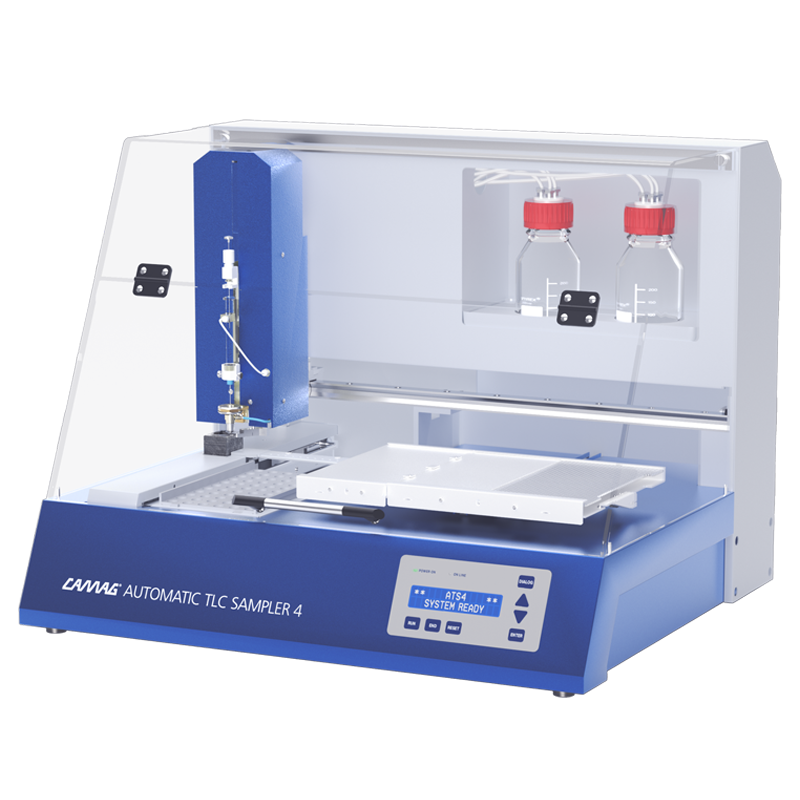
CAMAG® Automatic TLC Sampler 4 (ATS 4)

CAMAG®
AUTOMATIC TLC SAMPLER 4

In a nutshell

The key to quality and reproducibility

The Automatic TLC Sampler 4 initiates the HPTLC process by applying samples, which plays a crucial role in determining analysis quality. Additionally, automation enhances productivity, making the HPTLC lab more efficient. Designed for routine operations and high throughput, the ATS 4 efficiently handles both qualitative and quantitative analyses, as well as preparative separations.

Specifically, the Automatic TLC Sampler 4 applies samples as bands, spots, or rectangles using the spray-on technique. It precisely delivers large volumes and concentrates rectangles into narrow bands with a high-strength elution solvent before chromatography.

Furthermore, the ATS 4 supports “overspotting,” sequentially applying samples onto the same position. This feature proves particularly useful for pre-chromatographic derivatization, spiking, and other similar procedures, enhancing its versatility for a range of applications.

  • Fully automated sample application
  • Application of bands, spots or rectangles
  • Any plate format up to 20 x 20 cm (glass or aluminium foil)
  • Spray-on application or by contact transfer
  • Software-controlled by visionCATS
SOFTWARE INTEGRATION

OPERATION WITH VISIONCATS Software

Accurate sample application is essential for achieving high-quality HPTLC analysis. When paired with visionCATS HPTLC software, the ATS 4 enables fully automated sample application, optimized for routine use and high sample throughput.

The instrument parameters dialog box provides user-friendly default settings. For example, selecting a solvent similar to the one in use allows the software to automatically adjust instrument settings based on viscosity, volatility, and surface tension. Additionally, the filling/rinsing process, which controls syringe rinsing frequency and filling repetition, can be customized for specific tasks.

CAMAG HPTLC Software visionCATS

How the ATS 4 works

  • CAMAG AUTOMATIC TLC SAMPLER 4_septum punch

    01

    An application sequence begins with sample uptake. The vial septum is punctured, and the needle is inserted into the sample vial through the puncture. The syringe is then filled with the sample solution.

  • CAMAG AUTOMATIC TLC SAMPLER 4_septum punch retraction

    02

    The septum punch retracts, ensuring that the tightly sealed septum wipes off the exterior of the needle.

  • CAMAG AUTOMATIC TLC SAMPLER 4_pre-dosage

    03

    Before the first application from a newly filled syringe, a small sample volume is pre-dosed onto a waste plate to ensure consistent conditions at the needle tip. This pre-dosage is performed in the same manner as sample application, either through contact spotting or the spray-on technique.

  • CAMAG AUTOMATIC TLC SAMPLER 4_spraying

    04

    The syringe moves to the programmed position of the plate and starts application of the desired sample volume. If several applications of the same sample have been programmed, these are applied in sequence from the same syringe filling, provided the remaining volume is sufficient. Otherwise, the syringe is automatically refilled.

  • CAMAG AUTOMATIC TLC SAMPLER 4_syringe emptied

    05

    After the final sample application, the syringe is emptied into the waste bottle.

  • CAMAG AUTOMATIC TLC SAMPLER 4_solvent emptied

    06

    The syringe is filled with rinsing solvent, and the plunger moves beyond the side connection to remove any excess solvent. Once the rinsing solvent is emptied into the waste bottle, the dosing system is prepared for the next application sequence.

Watch the ATS 4 in action

Technical specifications

General data

  • Object support
    For objects up to 20 x 20 cm
  • Stage drive
    X-drive (turret) Stepper motor 1600 steps/rev. 4 steps = 0.1 mm Maximum speed 200 mm/s with acceleration ramp Positions programmable: 5.0 – 195.0 mm in 0.1 mm steps Y-drive (stage) Step motor 3200 steps/rev. 8 steps = 0.1 mm Maximum speed 200 mm/s with acceleration ramp Positions programmable: 5.0 – 195.0 mm in 0.1 mm steps
  • Dosage syringe drive
    Stepping motor 1600 steps/rotation 100 nL = 120 steps with 100 µL syringe or 24 steps with 500 µL syringe
  • Sample dosage syringe
    selectable 100 µL or 500 µL
  • Memory
    10 methods, backup min. 10 years
  • LCD display
    2 lines of 16 characters ea.
  • Power connection
    85–250 V~ 47–63 Hz 30 VA
  • Gas supply
    4–6 bar (60–90 PSI) preferably nitrogen; consumption approx. 1.0 L/min
  • Dimensions (W x D x H)
    360 x 510 x 410 mm
  • Weight
    12.5 kg

Continue reading

HPTLC Plates

CAMAG®
HPTLC Plates

Request a quote

In a nutshell

HPTLC Plates for high-resolution separations

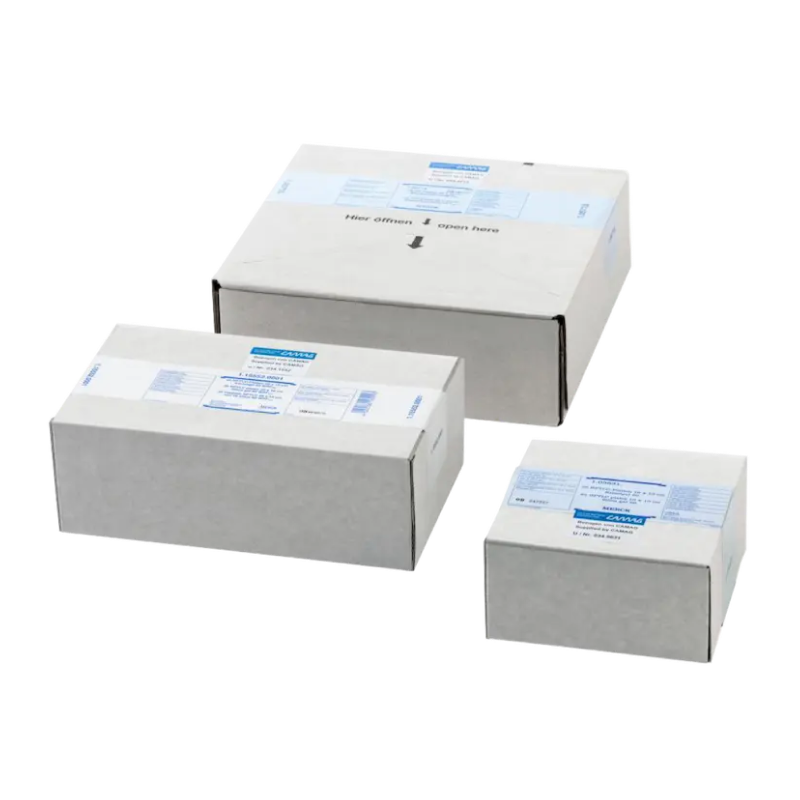
CAMAG offers a wide range of HPTLC plates, manufactured by Merck, a trusted leader in chromatographic materials.

HPTLC plates from Merck deliver reproducible, high-resolution separations for qualitative and quantitative analyses, making them indispensable in laboratory workflows across industries.

To learn more about Merck HPTLC plates, please visit Merck and Sigma-Aldrich.

  • Pre-coated HPTLC plates on a support of glass or aluminum
  • Silica gel 60, Reversed-phase, Diol-, NH2-, CN-phase
  • Available with F254
  • Layer thickness 100 or 200 µm
  • Available in the formats 20 x 10 cm or 10 x 10 cm

Continue reading

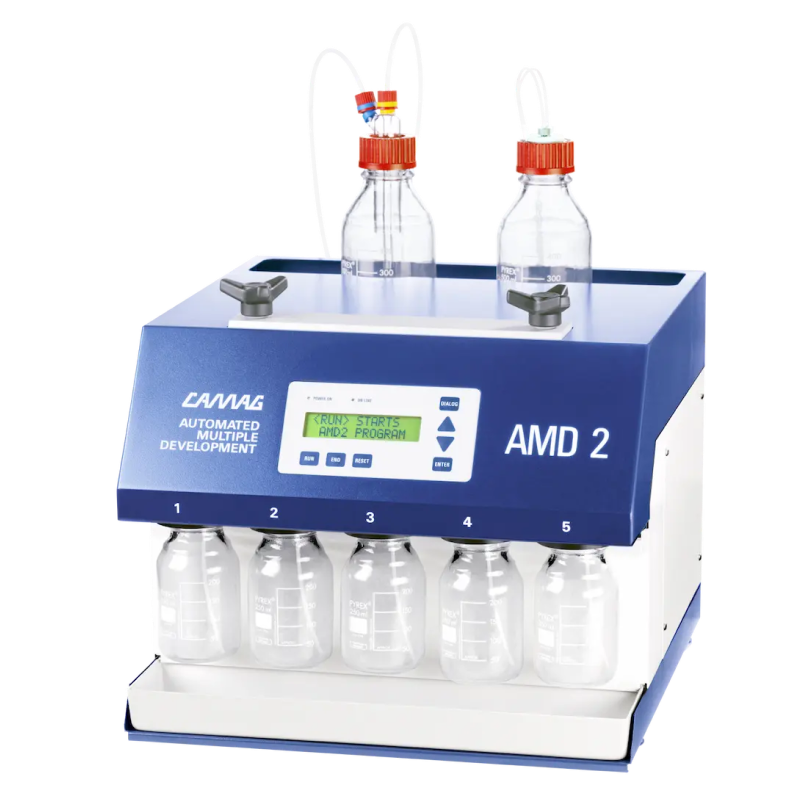
CAMAG® AMD 2 System Automated Multiple Development

CAMAG®
AMD 2 System

Request a quote

In a nutshell

high resolution, precision, and repeatability

The separation of complex samples is a challenging task for every chromatographic system, particularly when the sample components span a wide polarity range.

The AMD procedure offers an excellent solution as it allows stepwise gradient elution over increasing separation distances. As a result acids, bases, neutral, hydrophilic, and lipophilic substances can be separated in a single AMD run. This makes AMD suitable for a variety of applications.

The technique is frequently used in lipid analysis and in routine analysis of drinking water. Pigment formulations with a complex composition, resins as well as additives of mineral oil products are other typical applications of AMD analysis.

  • Automated multiple development
  • Stepwise gradient elution over increasing separation distances
  • Enhanced separation capacity
  • HPTLC glass plates (20 x 10 cm), only
  • Software-controlled with visionCATS

THE PRINCIPLE OF

THE AMD PROCEDURE

  • The HPTLC plate is developed repeatedly in the same direction
  • Each successive run extends over a longer solvent migration distance than the one before
  • Between runs, the solvent is completely removed from the developing chamber and the layer is dried under vacuum
  • Each successive run uses a solvent of lower elution strength than that of the one used before. In this way, a stepwise elution gradient is formed
  • The combination of focusing effect and gradient elution results in extremely narrow bands. Their typical peak width is about 1mm. This means that, with the available separation distance of 80mm, up to 40 components can be completely resolved, i.e with base line separation
  • With visionCATS the AMD 2 can be IQ/OQ qualified and used in a cGMP environment. Operated with the mentioned software, the AMD 2 supports compliance with 21 CFR Part 11.

The AMD 2, like other software-controlled CAMAG instruments, communicates with visionCATS. The gradient, made from up to 5 solvent bottles, is defined by input into a table in visionCATS. Gradient and solvent migration distance for each run can be shown graphically for verification. Then all individual runs of the developing program are performed fully automatic and monitored by visionCATS.

SEPARATION OF VARIOUS

RHUBARB SAMPLES BY AMD 2

HPTLC chromatogram of rhubarb under UV 366 nm, derivatized with Natural Product reagent; AMD gradient in 10 steps: methanol – dichloromethane (40:60) to (10:90) in 9 steps, 40 mm solvent migration distance, then one isocratic step methanol – dichloromethane (10:90) over 70 mm solvent migration distance

AMD 2 uv366 rhubarb

Technical specifications

General data

  • Plate types
    TLC/HPTLC glass plates 20 x 10 cm
    Glass thickness 1 mm
    Layer thickness up to 250 µm
  • Nitrogen or clean air pressure
    4.5–6 bar (60–90 PSI)
  • Nitrogen consumption
    Approx. 1 L / gradient step
  • Gas volume of chamber
    Approx. 550 mL
  • Environment temperature
    15° – 30° C
  • Solvent front detection
    CCD, accuracy better than ± 1mm
  • Number of developing steps
    Max. 99
  • Power connection
    100 V–240 V; 50/60 Hz
  • Dimensions (W x D x H)
    430 x 500 x 360 mm (550 mm incl. bottles)
  • Weight
    31 kg

Continue reading

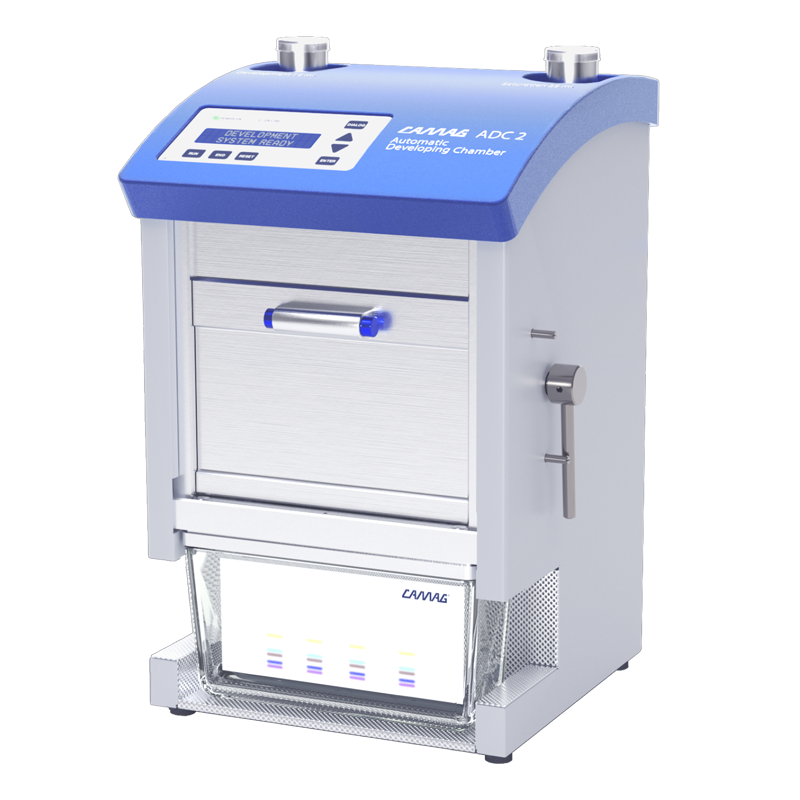
CAMAG® Automatic Developing Chamber 2 (ADC 2)

CAMAG®
Automatic Developing Chamber 2

In a nutshell

the standard for reproducible results

Development is a critical step in HPTLC, and the ADC 2 ensures reproducible results by fully automating the development process and eliminating environmental influences. The ADC 2 precisely controls layer activity, chamber saturation, developing distance, and final drying, ensuring consistent chromatographic separations.

This advanced system offers two operational modes: standalone with parameter input via a keypad or software-controlled operation using visionCATS. The software mode provides enhanced process monitoring, parameter documentation, and detailed reporting, making the ADC 2 suitable for regulated environments.

Designed for compatibility with 20 x 10 cm Twin Trough Chambers, the ADC 2 maintains the conditions of established analytical procedures while minimizing operational variability. The optional Humidity Control feature enables chromatography at defined layer activity, critical for method development and studying the effects of relative humidity. Integration with visionCATS software supports compliance with cGMP/GLP requirements and 21 CFR Part 11, ensuring its suitability for highly regulated workflows.

  • Fully automated development
  • Development in 20 x 10 cm Twin Trough Chamber
  • HPTLC plates (20 x 10 cm)
  • Operation in stand-alone mode or software-controlled
  • Fully traceable operation
  • Option “Humidity Control” allows reproducible chromatography

Example: ADC 2 SEPARATION OF POLYPHENOLS IN GREEN TEA

EFFECTS OF RELATIVE HUMIDITY

Developing solvent: toluene, acetone, formic acid 9:9:2 (v/v/v)
Derivatization: Fast Blue Salt B

ADC 2 Effect of relative humidity on separation

Technical specifications

General data

  • Drying module drive
    stepper motor 1600 steps/rev., 160 steps = 0.1 mm, positioning with acceleration ramp
  • Lift drive
    stepper motor 1600 steps/rev, 5 steps = 0.1 mm, positioning with acceleration ramp
  • Connections
    RS-232 serial port
  • Electrical connections
    100–240 V AC 50/60Hz, 20W
  • Dimensions (W x D x H)
    330 x 330 x 520 mm
  • Weight
    18.5 kg

Continue reading

CAMAG® Derivatizer

CAMAG®
Derivatizer

In a nutshell

THE BENCHMARK FOR REPRODUCIBILITY

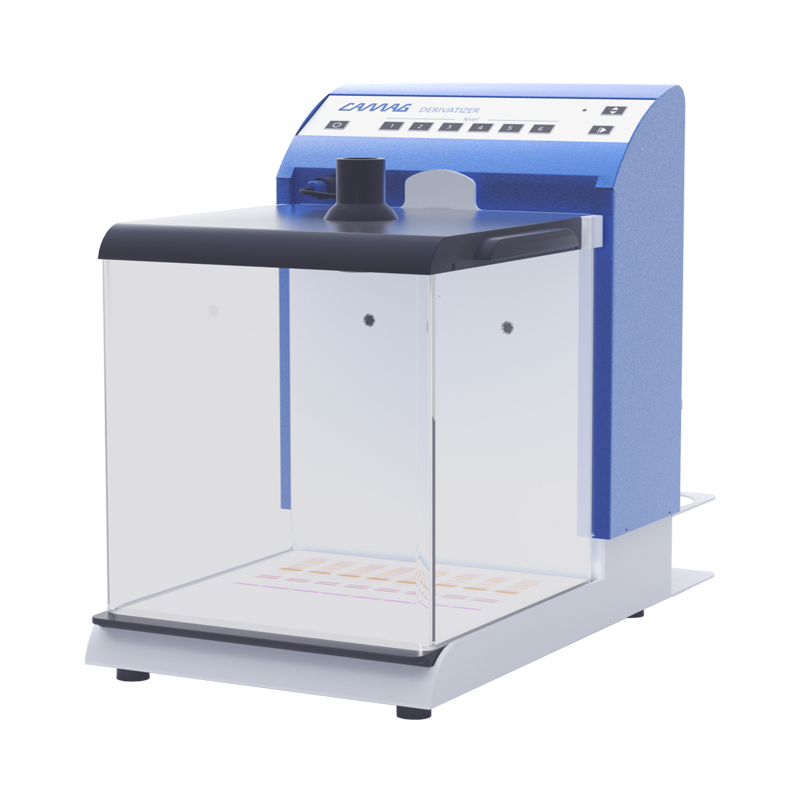
The Derivatizer revolutionizes automated reagent transfer in thin-layer chromatography, setting new standards for reproducibility with its innovative “micro droplet” spraying technology.

This patented innovation not only guarantees ease of use but also adapts to various reagent needs. It supports a wide range of common reagents and tackles different physicochemical properties, like viscosity, using four distinct color-coded nozzles. Furthermore, with six different spraying modes, the Derivatizer allows users to tailor the process to their specific requirements, enhancing both efficiency and flexibility in chromatographic workflows.

By providing a highly consistent and versatile solution, the Derivatizer optimizes the derivatization step, ensuring high-quality results across various applications. This advancement makes it an indispensable tool for labs focused on improving accuracy and throughput.

  • Unsurpassed homogeneous reagent distribution
  • Reproducible and user-independent results
  • Low reagent consumption (2-4 mL)
  • Hood for 20 x 10 cm and/or 20 x 20 cm plates
  • Intuitive handling and easy cleaning
  • Environmentally friendly and safe handling through a closed system
HOW IT WORKS

Operation of the Derivatizer


  • derivatizer_detail_01

    01

    At the push of a button, the transparent hood effortlessly rises, allowing to access the plate tray for convenient placement of their HPTLC plate.

  • derivatizer_detail_02

    02

    After the tray is inserted into its original operating position, the hood is lowered and completely sealed to prevent aerosols from leaking to the outside.

  • derivatizer_detail_03

    03

    The user fills the required reagent volume into the appropriate nozzle, selects the optimum spraying level and starts the reagent transfer. To meet the divergent physicochemical properties of the reagents, e.g. viscosity, four different color-coded nozzles are available, and the user can select from six spraying levels changing the reagent throughput.

  • derivatizer_detail_04

    04

    The nozzle generates an extremely fine reagent aerosol, which evenly distributes in the chamber and gradually settles down on the TLC/HPTLC plate.

  • derivatizer_detail_05

    05

    Any residue remaining in the gas phase is automatically aspirated by the integrated pump and collected in the wash bottle behind the instrument.

  • derivatizer_detail_06

    06

    After the reagent transfer has been completed, the hood lifts at the push of a button and the TLC/HPTLC plate can be removed for further processing.

Results

Derivatization means another step in the process of thin-layer chromatography, consequently causing an increase in variance. Even with a trained, expedient technician manually spraying a reagent, the coefficient of variation (CV) of the measured values rises up to 12 %.

Using the CAMAG Derivatizer, the CV increases by less than 5 %, thus providing very reproducible results, equal to those obtained with the Chromatogram Immersion Device, yet consuming considerably less reagent.

natural-product-reagent-chromatogram

Natural product reagent sprayed with the Derivatizer

The following most common reagents have been tested and validated for use with the Derivatizer:

  • Sulfuric acid reagent (10 % in methanol)
  • Anisaldehyde reagent
  • Natural product reagent
  • Polyethylene glycol solution
  • Iodine solution (0.5% in ethanol)
  • Dragendorff reagent
  • Fast blue salt B reagent
  • Ehrlich’s reagent
  • Phosphomolybdic acid reagent
  • Ninhydrin reagent Copper (II) sulfate reagent
  • Aniline-diphenylamine-phosphoric acid reagent
  • Vanillin reagent
  • Potassium hydroxide solution (5% in methanol)
  • Aqueous solutions (enzymatic solutions, etc.)

For alternative spraying reagents and reagents that are problematic to spray, please download the recommendation list.

Technical specifications

General data

  • Classification of installation and use
    Class I, installation category II, protection class IPX0, Pollution degree 1
  • Nitrogen or clean air pressure
    5 – 8 bar (70 – 110 psi)
  • Operating temperature
    15 – 30 °C
  • Recommended working temperature
    20 – 25 °C
  • Humidity
    Maximum relative humidity 80 % for temperatures up to 30 °C (Humidity and temperature conditions must not cause condensation!)
  • Plate types
    HPTLC glass plates 20 x 10 cm, layer thickness 200 µm

Continue reading

CAMAG® TLC Plate Heater 3

CAMAG®
TLC Plate Heater 3

Request a quote

In a nutshell

Homogeneous heating of TLC/HPTLC plates

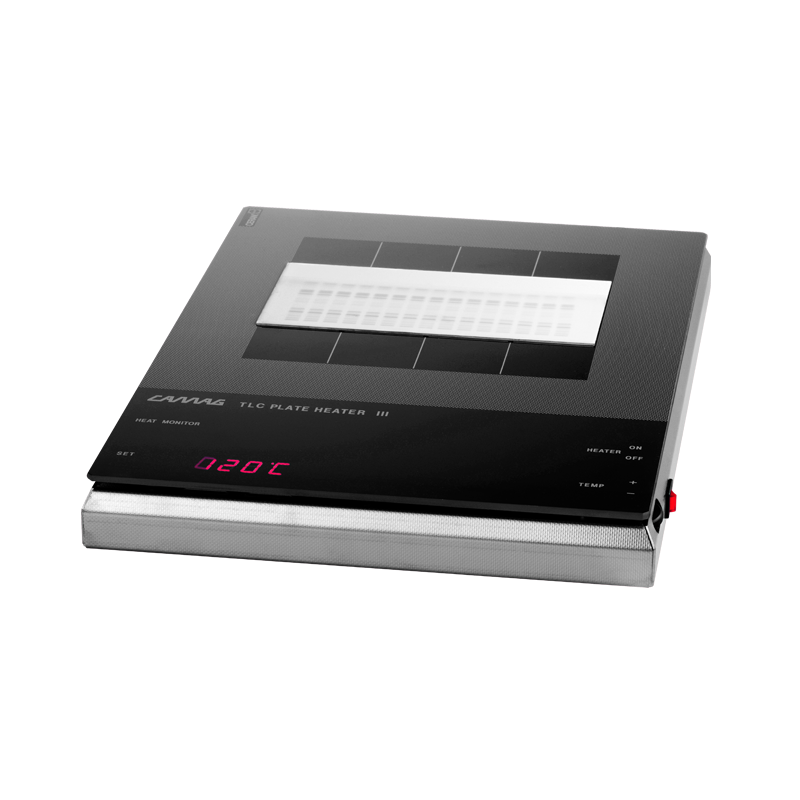
The TLC Plate Heater 3 is a device for heating TLC/HPTLC plates, permitting the optimal heating during the derivatization reaction. It features a NEXTREMA® heating surface which is resistant to all common reagents and is easily cleaned. The 20 x 20 cm heating surface has a grid to facilitate correct positioning of the plate. Programmed and actual temperature are digitally displayed. The temperature is selectable between 25 and 200 °C. The plate heater is protected from overheating.

  • NEXTREMA® heating surface
  • Temperature selectable between 25 and 200 °C
  • Grid for correct plate positioning

Technical specifications

General data

  • Heating plate
    NEXTREMA® glass-ceramic; heated area with grid, 200 x 200 mm
  • Temperature control range
    25–200 °C
  • Fuses
    315 mA, 250 V slow blow
  • Power connection
    115/230 V, +/- 10%; 50/60 Hz
  • Dimensions (W x D x H)
    306 x 420 x 34 mm

Continue reading

CAMAG® TLC Scanner 4

CAMAG®
TLC Scanner 4

Request a quote

In a nutshell

Advanced quantitative analysis for Precise Results

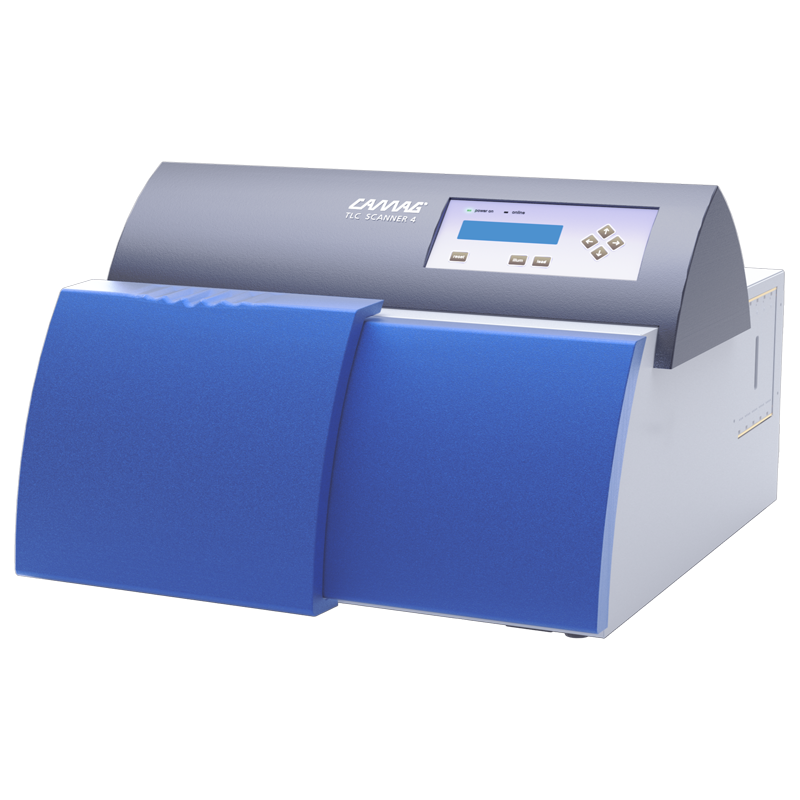
The CAMAG TLC Scanner 4 is renowned for its exceptional precision in measuring the absorbance and fluorescence of substances on TLC plates, delivering accurate and reliable quantitative data. By capturing the reflection of separated compounds in absorption or fluorescence modes, the CAMAG TLC Scanner 4 generates spectrally selective quantitative responses, represented as “Peak profiles from densitometry” (PPD) for individual tracks on HPTLC plates.

With a broad spectral range from 190 nm to 900 nm, the CAMAG TLC Scanner 4 accommodates UV and visible light detection, making it versatile for analyzing various compounds and substances. Its detection capabilities can be fine-tuned to match the spectral properties of analytes, ensuring optimized specificity and sensitivity during analysis.

Additionally, the CAMAG TLC Scanner 4 records UV-VIS spectra for detected peaks, enabling comprehensive data evaluation. The visionCATS HPTLC Software further enhances this functionality by offering five calibration functions and peak purity determination based on spectral data, ensuring robust and detailed chromatographic analysis.

  • Measurement of reflection, either in absorbance and/or fluorescence
  • Spectral range from 190 to 900 nm
  • Data step resolution 25 – 200 μm
  • Spectrum recording up to 100 nm/s
  • Any plate format up to 20 x 20 cm
  • Software-controlled by visionCATS

POWERED BY CAMAG HPTLC SOFTWARE

high-precision quantitative evaluation


  • Advanced Software Integration: The visionCATS HPTLC software seamlessly integrates with the TLC Scanner 4, providing an intuitive platform for data acquisition, analysis, and reporting. It enables the automatic execution of multiple scanning and evaluation steps.
  • Versatile Detection Capabilities: The TLC Scanner 4 can operate in both UV and visible light spectrums, covering a broad wavelength range from 190 to 900 nm. This versatility allows the detection of various types of substances, expanding the scope of analysis to more complex samples.
  • Multi-Wavelength and Multi-Step Evaluation: The combination of the TLC Scanner 4 and visionCATS allows for multi-wavelength scanning and multi-step evaluations. Users can analyze a plate under different conditions, such as before and after derivatization, or at multiple wavelengths, enhancing the ability to differentiate and quantify closely related or co-eluting substances.
  • Data Integrity and Regulatory Compliance: visionCATS is designed with compliance in mind, meeting the standards required in regulated environments, including GLP and GMP settings. Its built-in security features ensure data integrity, audit trails, and traceability, which are essential for laboratory environments that need to comply with industry regulations.
CAMAG TLC Scanner 4_HPTLC-Software-visionCATS-home
HOW IT WORKS

easy and intuitive operation


  • CAMAG TLC Scanner 4_HPTLC-Software-visionCATS_definition

    01

    Definition: In the first step, the substances to be analyzed and their concentration in the reference vials are defined. The quantity applied of each reference will be calculated from the application volume and the defined concentration.

  • CAMAG TLC Scanner 4_HPTLC-Software-visionCATS_integration

    02

    Integration: If required, the peak detection is configured, based on profiles issued from the execution of a scanner step.

  • screenshot3

    03

    Substance assignment: When the substances and the peaks are defined, they have to be associated. For a substance assigned to a peak belonging to a reference application, the height or the area of the peak is associated with the quantity applied.

  • screenshot4

    04

    Calibration: For a given substance and for the reference tracks, the set of couples (quantity applied, height or area of the peak) are projected on an XY plan, and a regression algorithm is used to find an appropriate regression curve for these reference points. Peaks coming from sample tracks also have a height (and an area). The regression algorithm calculates the quantity of the substance applied in the sample.

  • screenshot5

    05

    Results: A summary of the quantified amounts/concentrations of each substance in the sample(s) is displayed. The quantity of substance applied in each sample application computed during the calibration, associated with the applied volume, gives the estimated concentration of each searched substance in each sample vial concerned.

Software Features

Scanner Ultimate Package

  • Quantification

    Users can select from five quantification functions to precisely determine the concentration of each substance on the plate. A single analysis file can include up to five evaluation steps, covering various plate conditions.

  • Multi Wavelength Scan

    Different compounds may absorb or fluoresce more strongly at specific wavelengths. Multi-wavelength scanning allows the detection of a broader range of compounds on the same plate, ensuring more precise identification and quantification.

  • Spectrum Scan

    Spectrum Scan allows to measure the spectrum of each substance on the plate and to assess its purity by comparing it to a reference standard.

Hardware insights

THE OPTICAL SYSTEM

  • Any of the three light sources, high pressure mercury lamp, deuterium lamp, or halogen-tungsten lamp can be positioned in the light path by a motor drive. (1)
  • The signal of the measuring photomultiplier is continuously offset against the signal of the reference photomultiplier. (4 and 5) This compensates for lamp aging and short-time fluctuations. It also reduces the warm-up time required to reach lamp stabilization.
  • All components of the optical system, lamps, monochromator, scanning stage, and photomultiplier are mounted on one sturdy metal support. This ensures high precision of the detector signal.
  • For scanning at wavelengths below 200 nm it is advisable to flush the monochromator with nitrogen. The TLC Scanner 4 is equipped to do this.
  • A monochromator bandwidth of 5 nm or 20 nm can be selected. 5 nm bandwidth is used for spectra recording, multi-wavelength scanning, and when spectral selectivity is required. (2) 20 nm bandwidth offers higher light intensity (improves the signal to noise ratio and thus the reproducibility of the measurement) and enables measurement of several fractions with slightly different absorption maxima in one scan.
  • The lens system with 190 – 900 nm transmission range features automatic positioning for micro and macro slit sizes. This ensures that the light energy available with small slits in the micro position is almost the same as that for the corresponding slit in the macro position, which is four times larger. (3)
  • The light beam strikes the object at right angle. The photomultiplier is aligned at an angle of 30°. (5)
Optical System

Technical specifications

General data

  • Light sources
    • Deuterium lamp, usable continuum 190 – 450 nm
    • Halogen-tungsten lamp, usable continuum 350 – 900 nm
    • High-pressure mercury lamp, spectral lines (248, 254, 265, 280, 297, 302, 313, 366, 405, 436, 546, 577, 579 nm)
    The lamp, which is positioned in the light path, is automatically ignited. All lamps are current stabilized.
  • Pilot lamp and compartment illumination
    The slit is automatically illuminated with visible light when the compartment illumination is switched on. The scanning compartment is illuminated with a 4 W tube emitting UV 254 nm which the user can replace by a UV 366 nm or a white light tube.
  • Monochromator
    Concave holographic grating, 1200 lines/mm, bandwidth selectable 5 or 20 nm, wavelength range 190–900 nm; monochromator driven by step motor, reproducibility of wavelength setting better than 0.2 nm, accuracy better than 1 nm; connector for flushing with nitrogen. Maximum speed of spectra recording 100 nm/s.
  • Secondary filter
    Motor-driven filter wheel with three automatically selected filters for the elimination of second order wavelengths; 400 nm cut-off filter for fluorescence measurements; three positions for user selected filters.
  • Scanning slit
    Revolving disk with 20 fixed apertures; length of slit images selectable between 0.2 and 12 mm, width between 0.1 and 1.2 mm in 42 combinations
  • Detector
    Two matched broadband photo multipliers, multi alkali type, spectral sensitivity 185 – 900 nm
  • Stage drive
    Independent in both directions by step motors, micro step driven for smooth movement; reproducibility of positioning better than 50 μm in Y-direction, better than 100 μm in X-direction; maximum scanning speed 100 mm/s
  • Power connection
    115 V and 230 V selectable; 50/60 Hz; maximum energy use 180 W (tungsten and mercury lamp ignited)
  • A/D converter
    16 bit, 2-channel A/D converter, 100 ms per double conversion
  • Connections
    RS-232 serial port
  • Dimensions (W x D x H)
    590 x 650 x 367 mm
  • Weight
    39 kg

Continue reading

CAMAG® TLC Visualizer 3

CAMAG®
TLC Visualizer 3

Request a quote

In a nutshell

Ultimate Clarity and Precision in HPTLC Imaging

The visual display of the entire chromatogram, with references and samples side by side, is a unique advantage of High-Performance Thin-Layer Chromatography (HPTLC), enabling easy evaluation of multiple samples simultaneously.

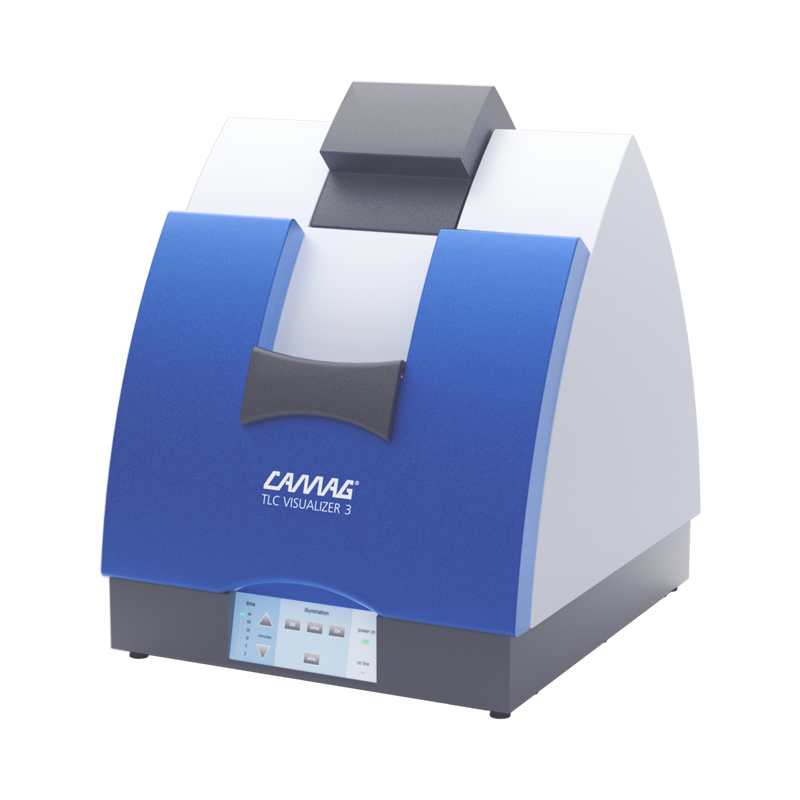
The TLC Visualizer 3 is a top-tier imaging and documentation system offering superior performance in white light, long-wave UV (366 nm), and short-wave UV (254 nm), providing uniform illumination. Equipped with a next-generation industrial camera and CMOS image sensor, it delivers premium-quality images.

Integrated with visionCATS HPTLC software, the TLC Visualizer 3 detects even faint zones with exceptional reproducibility, all while ensuring compliance with cGMP/GLP and 21 CFR Part 11 standards.

  • Maximum illumination homogeneity in white light, UV 366 nm and UV 254 nm
  • High-performance industrial camera with CMOS image sensor
  • Powered by visionCATS HPTLC analysis software
  • Various image enhancement tools for the detection of even the faintest zones
  • Side-by-side display of tracks from different plates
  • Image-based evaluation
  • Full compliance with cGMP/cGLP and 21 CFR Part 11

Premium-quality HPTLC imaging

Illumination modes


  • uv-vis

    UV-VIS

    Image of chromatogram in visible light
  • uv-366nm

    UV 366

    Image of chromatogram in UV 366 nm
  • uv-254nm

    UV 254

    Image of chromatogram in UV 254 nm

POWERED BY CAMAG HPTLC SOFTWARE

High-end HPTLC imaging

Designed for supporting the HPTLC workflow, the visionCATS software platform controls instruments and manages data. The best-in-class HPTLC software features a variety of sophisticated image enhancement tools exploiting the full potential of the TLC Visualizer 3 and enables the automatic acquisition of premium-quality images based on the parameters specified in the method.

TLC Visualizer 3 visionCats Data view
TLC Visualizer 3 visionCats Comparison Viewer

Maximum flexibility in visual sample evaluation

Comparison Viewer

With visionCATS integration, the TLC Visualizer 3 allows extraction and export of selected sample tracks from acquired images for easy comparison. References and samples from the same or different plates and detection modes can be displayed side by side, ensuring full traceability of all data for regulatory compliance.

Professional tools for

IMAGE ENHANCEMENT

visionCATS supports low-noise, high dynamic range (HDR) images and includes a comprehensive set of image enhancement tools. Sophisticated algorithms guarantee the highest image quality for identification of even the faintest zones.

  • Spot Amp efficiently supports the localization of even the smallest fractions on the plate by increasing or decreasing the contrast of the zones.
  • Exposure Normalization allows the post-processing of the image by normalizing the exposure (left without normalized exposure, right with normalized exposure). This tool is designed to visually compare images from different plates with virtually the same exposure settings.
  • Clean Plate Correction subtracts an image of the clean plate before sample application from the developed plate image. This corrects irregularities like fluorescence indicator patterns or layer thickness variations, enhancing detection of faint zones and producing high-quality corrected images.
  • Clarify virtually changes the illumination setting after capturing and makes very faint zones visible on an unchanged background (no enhancement / enhancement 2.4 / enhancement 3.4).
spot-amp-off spot-amp-on Conversion to PPI Calibration curve

Generate quantitative data

IMAGE-BASED EVALUATION

The visionCATS software enables the image-based quantitative evaluation of chromatograms obtained with the TLC Visualizer 3. Based on the absorption or fluorescence of the separated zones, the software generates image profiles by calculating the resulting luminance from the detected RGB values for each pixel line of the track. Plotting the luminance as a function of RF values generates the peak profile from image (PPI). Information on peak height and area contained in the PPI data can be used for quantitative assessments. The combination of qualitative and quantitative information from the HPTLC images and the PPI allows testing for identity, purity, and content in a single analysis.

Profile Comparison
  • Display of individual chromatograms
  • Position of peaks (RF value / migration distance) can be determined
  • Comparison of chromatograms from the same or different plate / image
Evaluation
  • Intuitive data management
  • Several calibration modes (e.g. single level, multi-level, related substances)
  • Re-evaluation of data at any time

Technical specifications

General data

  • Supported object sizes
    With 12 mm lens: up to 20 x 20 cm
    With 16 mm lens: up to 20 x 10 cm
  • Illumination sources
    2 x UV tube short wavelength (254 nm) – direct light
    2 x UV tube long wavelength (366 nm) – direct light
    2 x white light tube – direct light (remission)
    2 x white light tube – transmitted light (transmission)
  • Detector
    High-performance industrial camera with CMOS image sensor
  • Connections
    USB 3.0 and RS-232
  • Power connection
    00–240 V AC, 50/60 Hz, 50 W
  • Minimum software requirements
    visionCATS 3.2 SP1 on Windows 10
  • Dimensions (W x D x H)
    480 x 537 x 596 mm
  • Weight
    17.0 kg

Continue reading

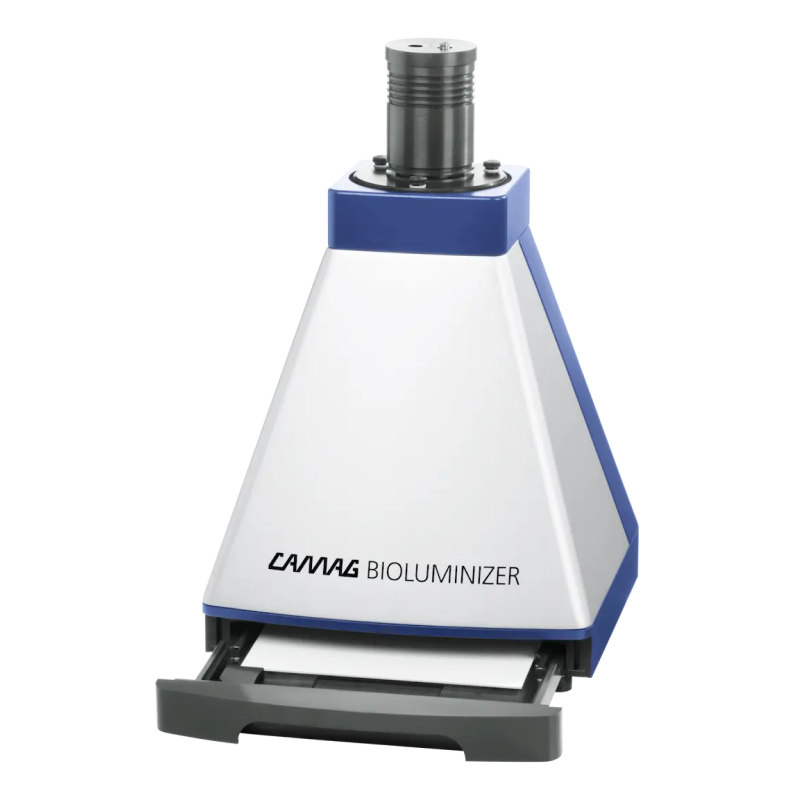
CAMAG® BioLuminizer® 2

CAMAG®
BioLuminizer® 2

Request a quote

In a nutshell

Ultra-sensitive bioluminescence detection

The BioLuminizer® 2 is a specialized detection system for bioluminescence on HPTLC plates. It features a light-excluding, climate-controlled compartment and a high-resolution 16-bit CCD camera for precise imaging. Its ergonomic design and intuitive software make it easy to use in stand-alone mode.

The system allows for fast, cost-effective detection of bioactivity without requiring special antibacterial precautions, as it uses non-pathogenic luminescent bacteria, Allivibrio fischeri. This method is ideal for identifying toxic compounds in complex samples, such as food, beverages, cosmetics, and water. After separating the sample on the plate, luminescent bacteria reveal toxic zones as dark spots against a glowing background.

  • Cooled 16 bit CCD camera
  • Optimized plate compartment to keep bacteria moist
  • Small footprint
  • Easy to clean
  • HPTLC plates (20 x 10 cm, 10 x 10 cm)
  • Stand-alone operation using BioLuminizer® 2 software
EXAMPLE

Processed wastewater containing X-ray contrast media is frequently irradiated with UV light. The HPTLC bioluminescence image shows the bioactive effect of degradation products. As can be seen, an increase of the irradiation time generates substances with a distinctively inhibitory effect on the luminescent bacteria. In a cuvette test, this inhibitory effect would have been masked by degradation products.

BioLuminizer Variable irrad

Technical specifications

General data

  • Power connection
    100-240 V, 47-63 Hz auto range
  • Camera/Fan Power supply
    12 V DC 1.25 A
  • Connections
    1 x USB
    2 x Coaxial power connector (camera/fan interchangeable)
  • Dimensions (W x D x H)
    280 x 295 x 430mm
  • Weight
    9 kg

Continue reading